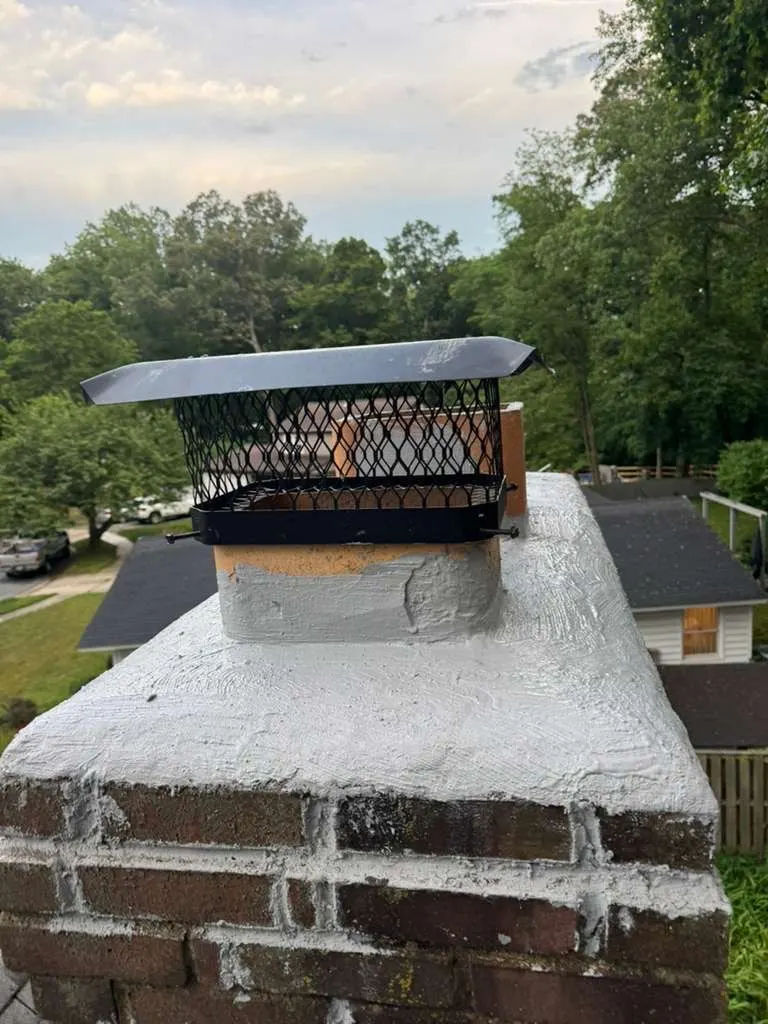
Breathable, vapor-permeable waterproofing for masonry chimneys — water beads off the brick while the masonry still dries, unlike sealers that trap moisture in.
Brick and mortar are sponges. A coastal chimney absorbs wind-driven rain all storm season, and the water it holds is what freezes inland, spalls brick faces, feeds efflorescence and rusts dampers from the outside in. Professional chimney waterproofing treats the masonry with a vapor-permeable water repellent: rain beads and runs off, but water vapor inside the stack can still escape and dry.
That breathability is the entire point. Hardware-store sealers and — worst of all — paint form a film that traps moisture inside the masonry, accelerating the very damage they claim to prevent. We apply chimney-specific, breathable repellents to sound masonry, after the repairs that need doing first are done: waterproofing protects good masonry; it does not rescue failed mortar.
Tell us about your chimney or gas fireplace — we confirm every request by phone. Prefer to talk? Call (843) 427-3756.
The ideal candidate is a sound chimney in a wet exposure: ocean-facing stacks, chimneys under tree drip lines, and masonry that shows efflorescence or early surface softening but still has good joints. After a reline, rebuild or tuckpointing job, waterproofing is the maintenance step that protects the investment. On the Grand Strand, where a single storm can drive rain horizontally for hours, it is cheap insurance measured against one spalling repair.
Waterproofing does not fix leaks from a cracked crown, failed flashing or an open flue — those are mechanical repairs, and coating over them hides the entry point while water keeps coming. It also does not belong on painted chimneys or on masonry too soft to hold together. Our assessment tells you plainly whether your chimney is a candidate, and if it is not, what it actually needs first.
This work is searched for by many names. Every service below is performed as part of — or booked through — this one:
Professional vapor-permeable repellents typically protect for about ten years. Exposure matters — oceanfront stacks sit at the shorter end — and we note your application date so reapplication is a calendar item, not a guess.
We advise against it: film-forming sealers trap vapor inside the masonry and can cause worse spalling than the water they block. Chimney repellents are formulated to stay breathable.
No — a quality repellent is invisible once cured. It does not shine, darken or film. Your chimney looks the same; it just stops drinking.
After. New mortar needs to cure, and the repellent then protects the whole system at once. We sequence it as one project when both are needed.
Only if the leak is absorption through sound masonry. Leaks from crowns, caps and flashing need those repairs first — the assessment sorts out which kind yours is.
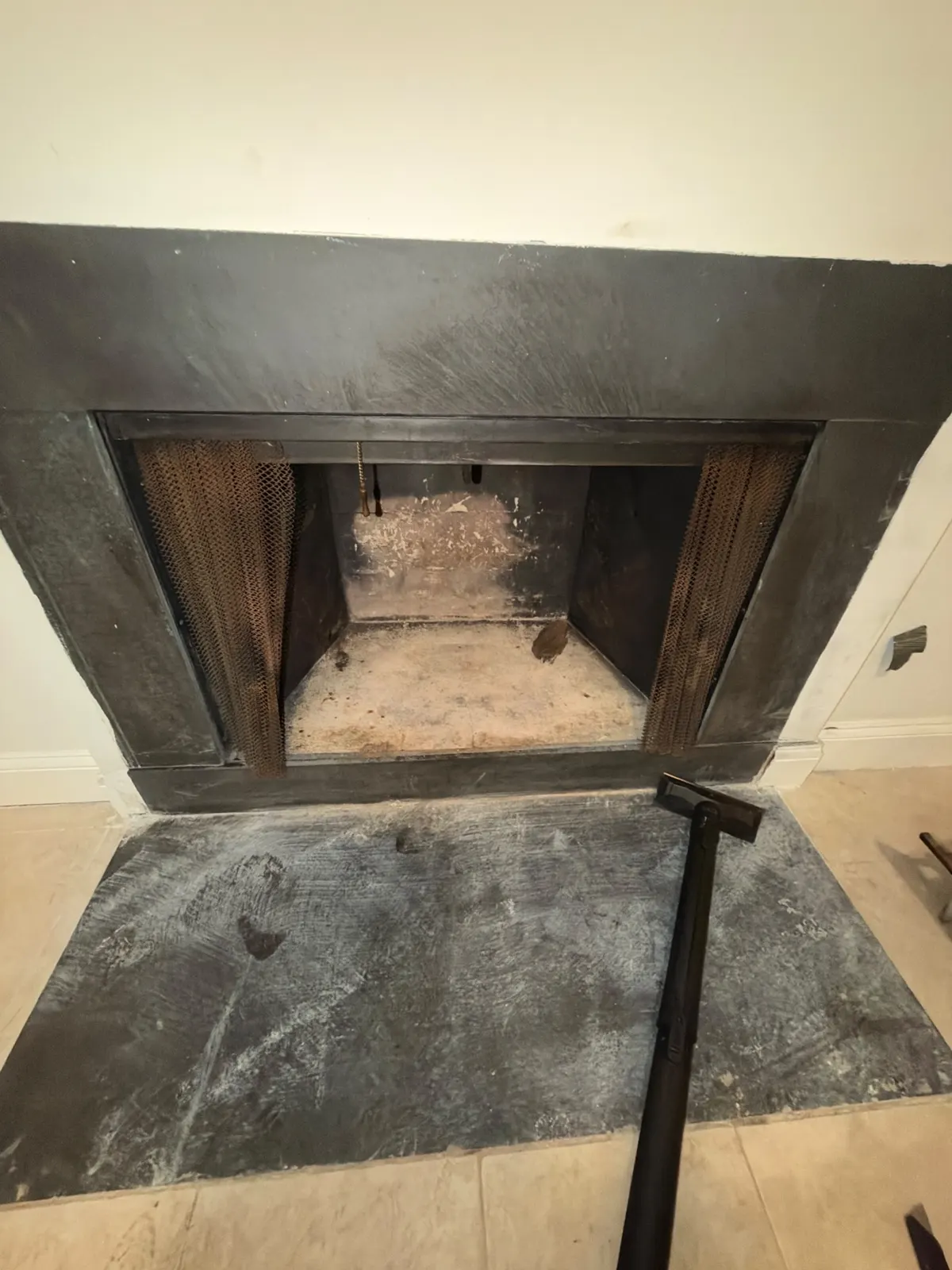
A full sweep of the flue, firebox and smoke chamber — creosote gone, draft restored, and a written condition report before we leave.
Learn more →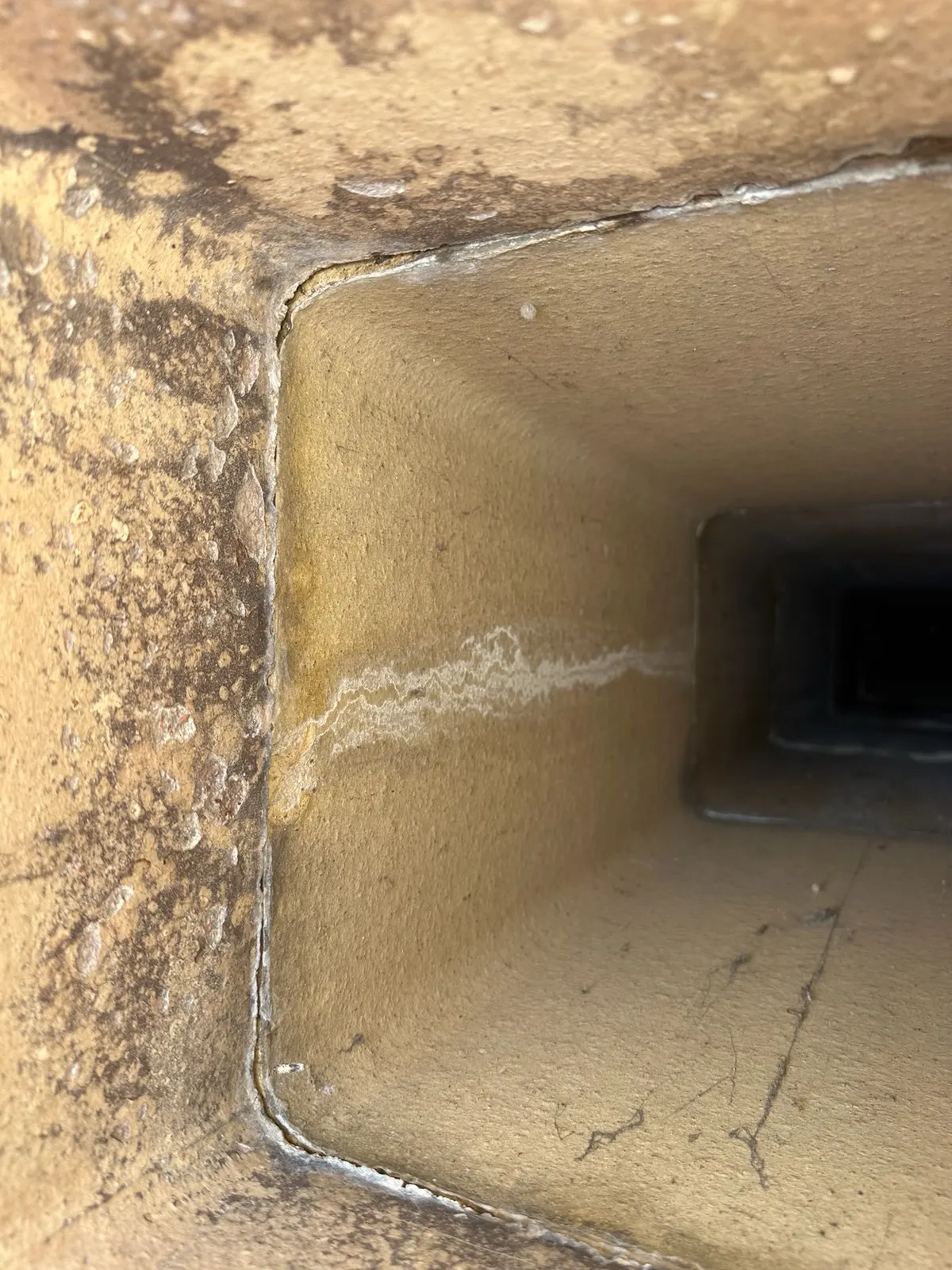
Level 1 and Level 2 chimney inspections with camera scanning, a photo report and straight answers — for annual checks, home sales and after a chimney fire.
Learn more →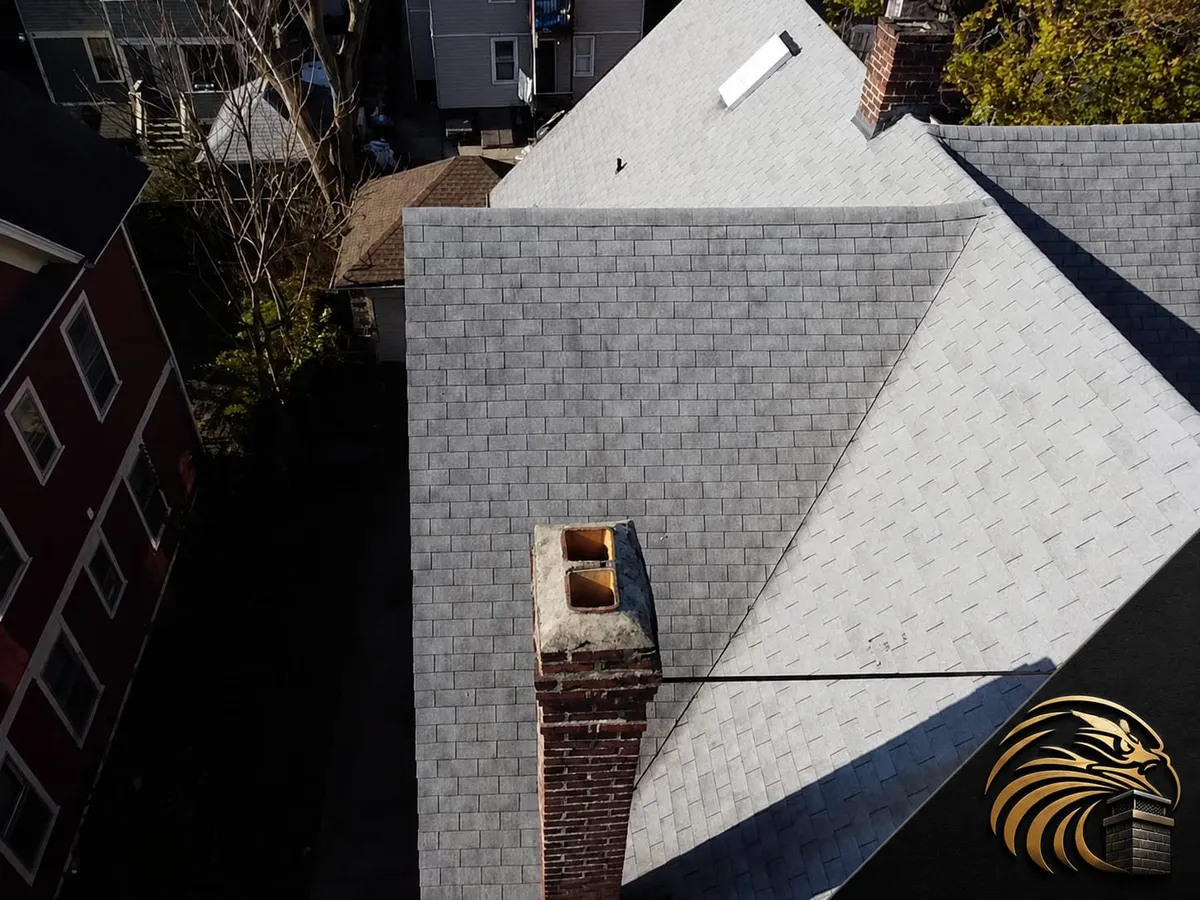
The annual inspection for chimneys in regular service: every accessible part checked, condition documented, safety confirmed for another season.
Learn more →
Camera inspection of the entire flue, plus attics, crawl spaces and concealed areas — the inspection for home sales, chimney fires and appliance changes.
Learn more →