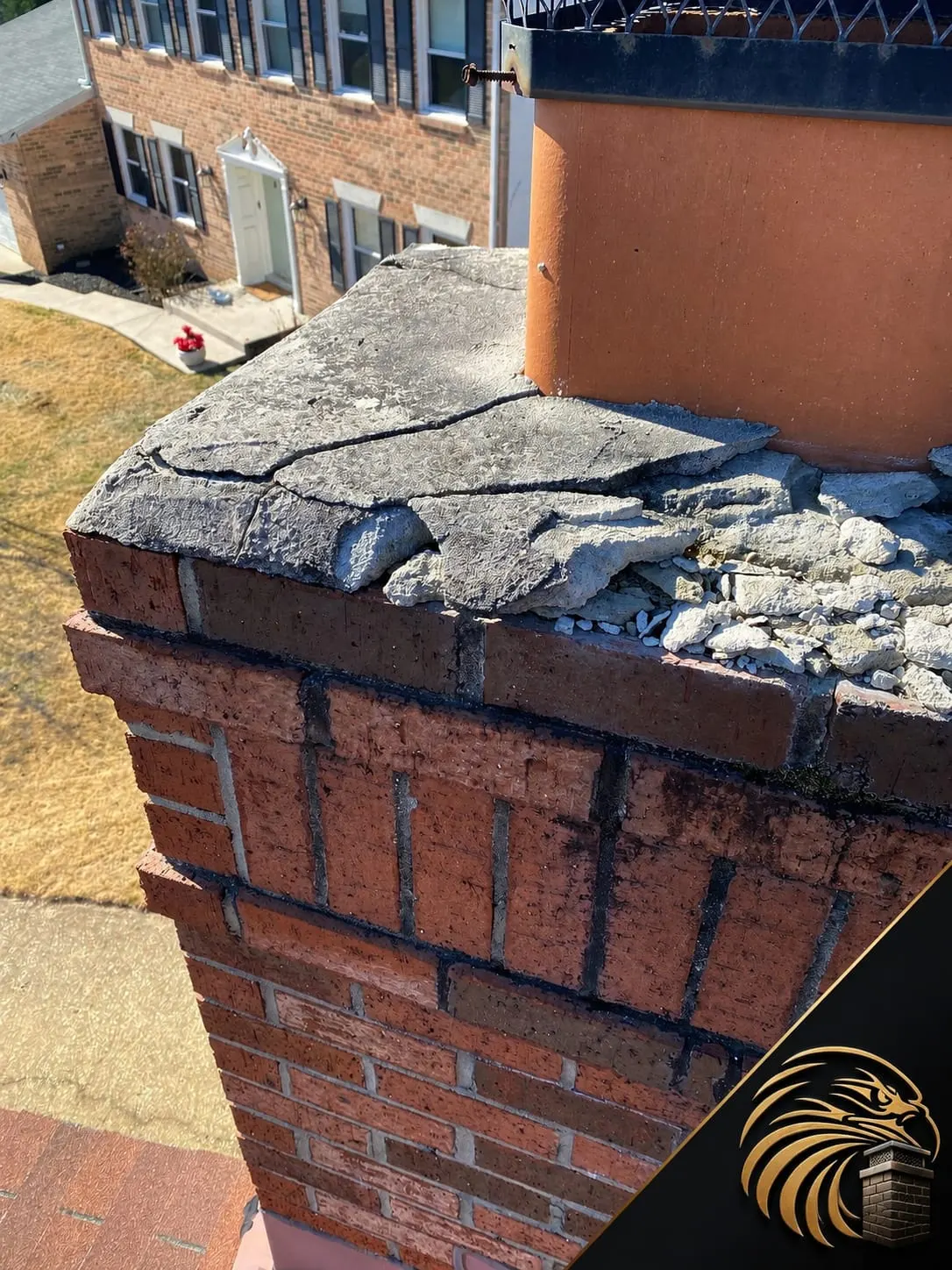
Leak tracing and repair for chimneys — crown, cap, flashing and mortar sources found with photos and fixed at the cause, not the stain.
A chimney leak announces itself everywhere except at the chimney: a ceiling stain two rooms away, a damp smell in the fireplace, paint bubbling on the chimney breast, water in the firebox after a storm. Because water travels along framing before it shows, guessing at the source wastes money — roofs get patched and even replaced over leaks that were crowns and flashing all along.
Our leak service is a tracing process: crown, cap, flashing and masonry, checked in the order water uses them, with a hose test when the source is not obvious. You get photos of the actual entry point and a written repair scope — then the fix addresses the cause, and we re-test before we call it done.
Tell us about your chimney or gas fireplace — we confirm every request by phone. Prefer to talk? Call (843) 427-3756.
Almost every chimney leak enters through one of four doors: a cracked crown pouring water into the stack; a missing or rusted cap letting rain straight down the flue; failed flashing at the roof line; or porous, cracked mortar absorbing it through the wall of the chimney. Each leaves different evidence — the stain pattern, the timing (only in wind-driven rain, or every rain), and where the moisture reads highest. Tracing means checking all four instead of assuming the first.
Grand Strand leaks have a signature: many appear only in tropical rain, when water arrives horizontally and in volume. A junction that sheds a normal shower can fail completely when rain drives sideways for six hours. That is why our tracing pays special attention to the windward flashing and crown edges, and why "it only leaks in big storms" is diagnostic information, not a reason to wait — the wood inside the wall is getting wet either way.
This work is searched for by many names. Every service below is performed as part of — or booked through — this one:
Yes. Water entering at the stack travels along rafters and framing and often shows up a room or two away. Stains in the chimney's general orbit after rain deserve a chimney tracing before a roof quote.
When the source is not obvious from inspection, yes — controlled water, one zone at a time, with someone watching inside. It is the reliable way to separate crown leaks from flashing leaks from absorption.
Yes — dated photos of the entry point and damage, plus a written scope. Storm-related leaks especially benefit from documentation made before repairs begin.
Tracing usually takes one visit; the repair depends on the source — caps and crowns are often same-day, flashing and masonry are scoped in writing.
Intermittent leaks are still leaks; they follow wind direction and rain volume. The entry point is still open, and the hidden wood is still getting wet in the right storm. Tracing it now is the cheap version of this conversation.
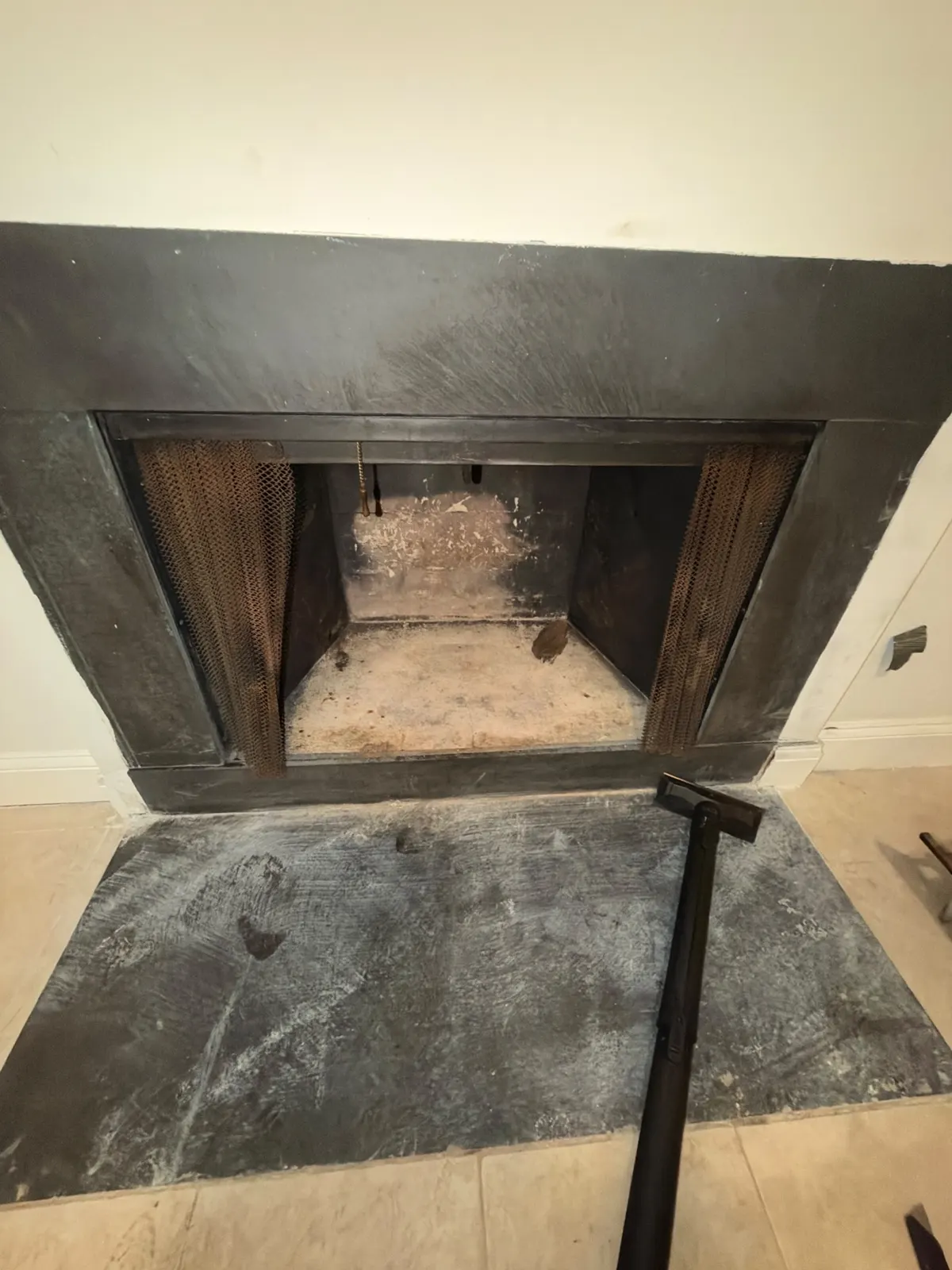
A full sweep of the flue, firebox and smoke chamber — creosote gone, draft restored, and a written condition report before we leave.
Learn more →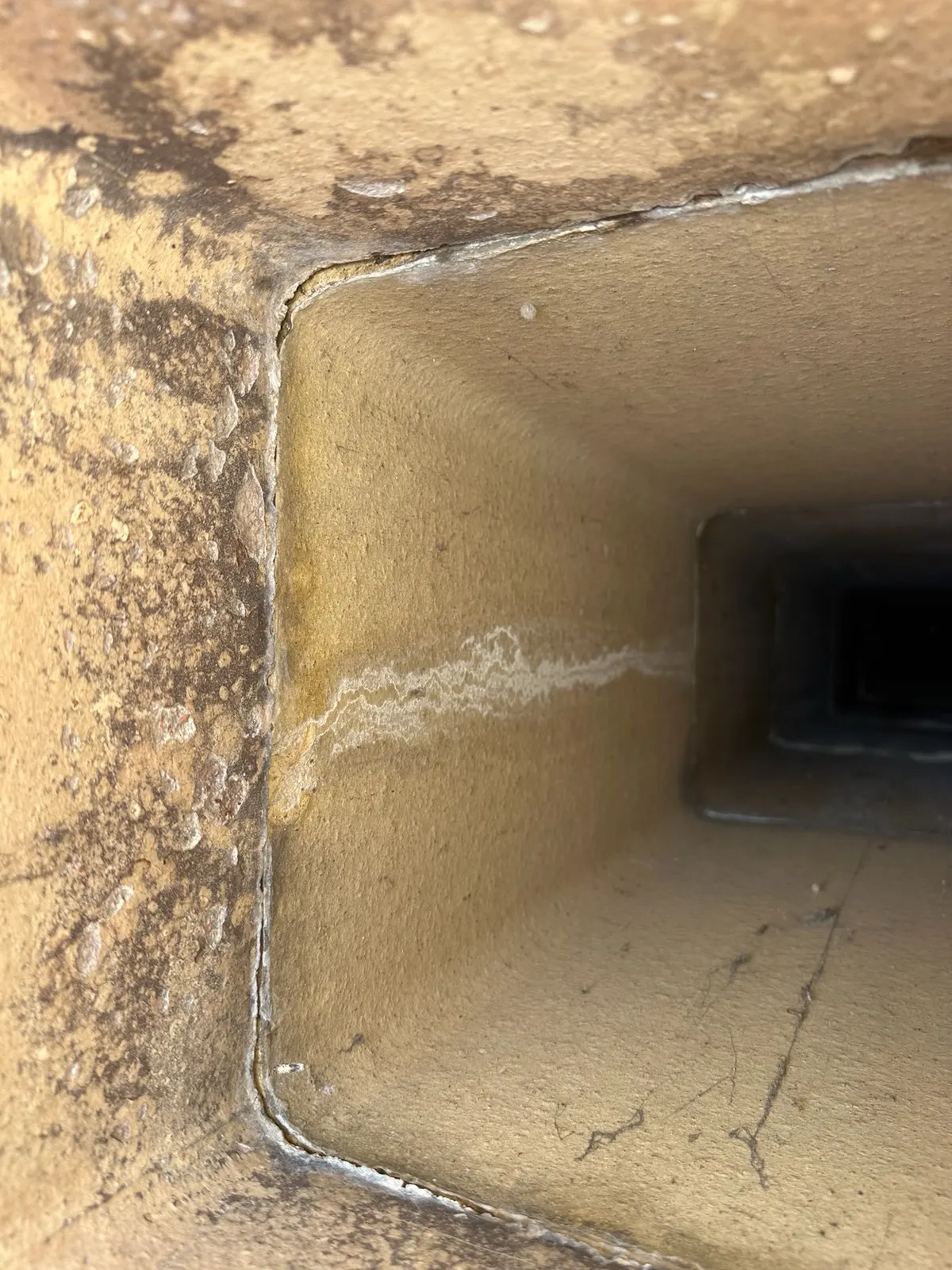
Level 1 and Level 2 chimney inspections with camera scanning, a photo report and straight answers — for annual checks, home sales and after a chimney fire.
Learn more →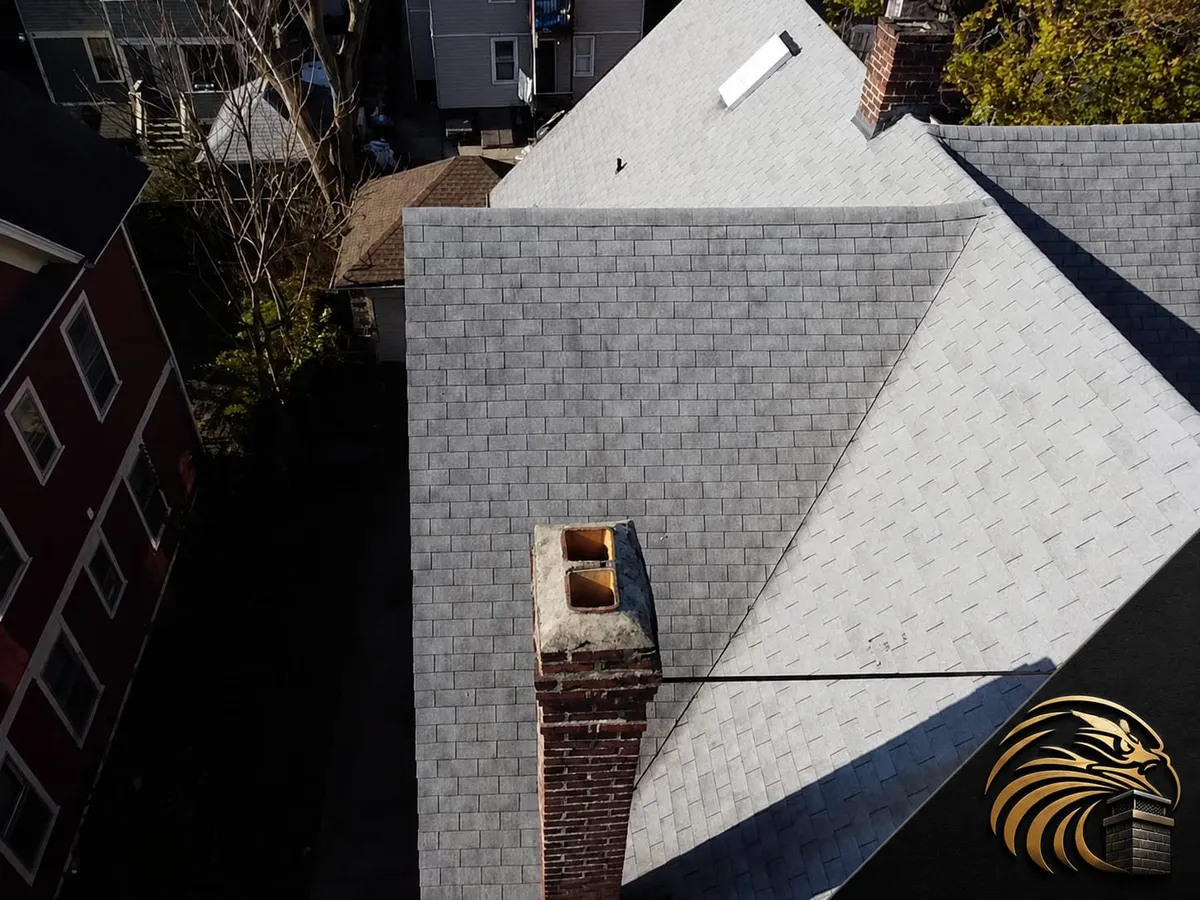
The annual inspection for chimneys in regular service: every accessible part checked, condition documented, safety confirmed for another season.
Learn more →
Camera inspection of the entire flue, plus attics, crawl spaces and concealed areas — the inspection for home sales, chimney fires and appliance changes.
Learn more →