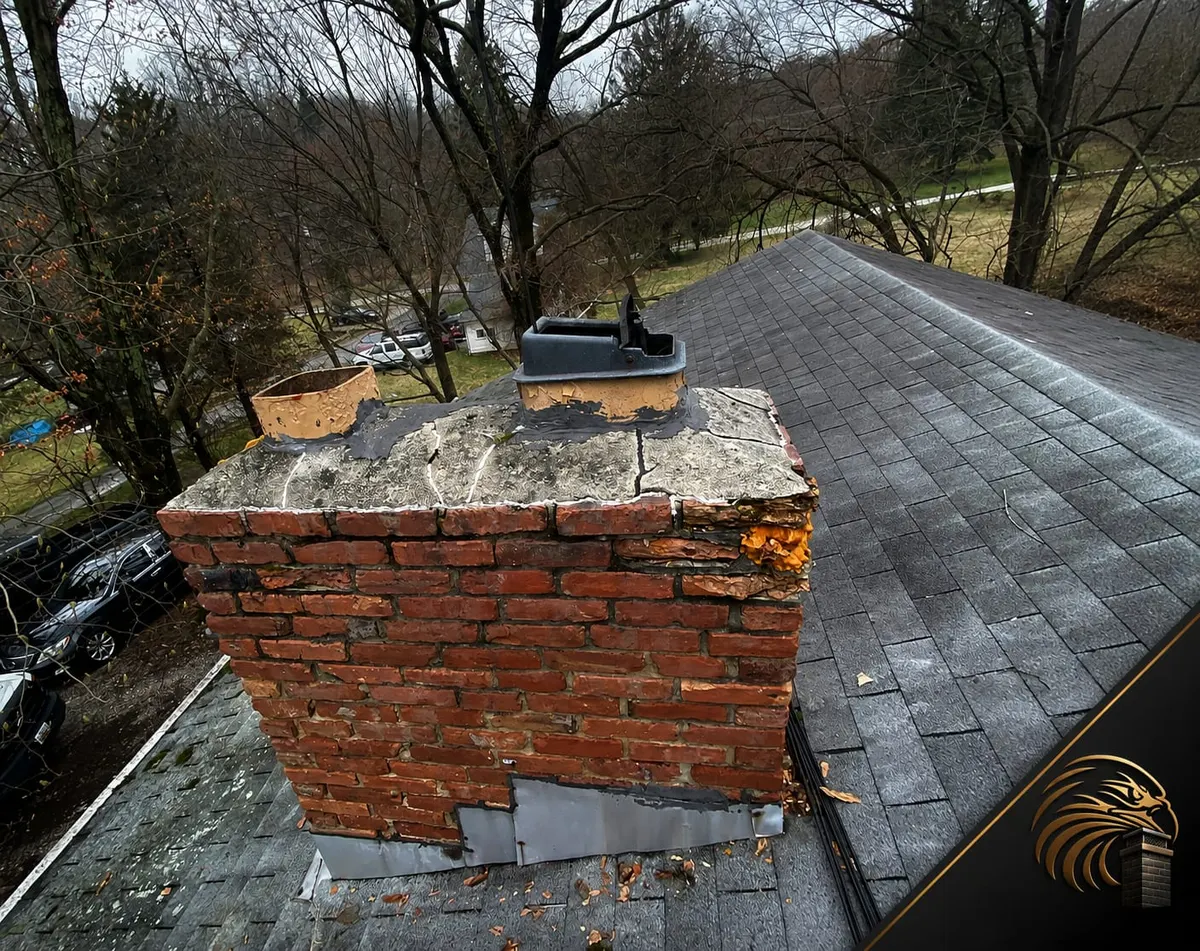
After a chimney fire: camera inspection, damage documentation for your insurer, and repair or relining to make the flue safe before the next fire.
A chimney fire is not always dramatic. The loud ones — roaring like a freight train, sparks and flames from the top — announce themselves. The quiet ones burn inside the flue and are discovered later: a strange smell during a fire, warped damper, cracked tiles found at the next sweep. Both kinds do the same damage: clay tiles crack from thermal shock, mortar joints cook out, and metal liners and dampers warp.
The rule after any suspected chimney fire is absolute: do not use the fireplace again until the flue has been camera-inspected. We document the damage with photos and a written report — the documentation your insurer needs — and scope the repair, which most often means stainless relining, in writing.
Tell us about your chimney or gas fireplace — we confirm every request by phone. Prefer to talk? Call (843) 427-3756.
Creosote that has puffed into a flaky, expanded texture instead of its usual hard glaze. A warped or discolored damper. Cracked flue tiles visible from the firebox. Rain-cap or chase discoloration, honeycombed mortar, and pieces of tile in the firebox or cleanout. Neighbors who heard a roar you slept through. Any of these earns a camera inspection before the next fire — a damaged flue used again is how a chimney fire becomes a house fire.
Chimney fire damage is a covered event under most homeowner policies, and claims live or die on documentation. Our inspection produces dated camera photos, a written findings report and a scoped repair estimate — the package adjusters work from. We make the chimney safe and weather-tight promptly, and we do not start permanent repairs until you and your insurer have the scope in hand and approved.
This work is searched for by many names. Every service below is performed as part of — or booked through — this one:
Stop using the fireplace, leave the damper as it is, and call for a camera inspection. If a fire is active or you smell smoke now, call 911 first — the inspection conversation is for after everyone is safe.
Not until the flue is inspected. Small chimney fires crack tiles the same way big ones do; the damage, not the drama, decides safety.
Most homeowner policies cover chimney fire damage. Our documentation — dated photos, findings report, scoped estimate — is built to support your claim.
Most often, stainless steel relining of the damaged flue, plus damper or smoke chamber repairs where the heat reached. The scope follows the camera findings, in writing.
Annual sweeping, seasoned wood, and a flue kept in repair. After your repair we set the maintenance rhythm that keeps creosote from rebuilding to a dangerous level.
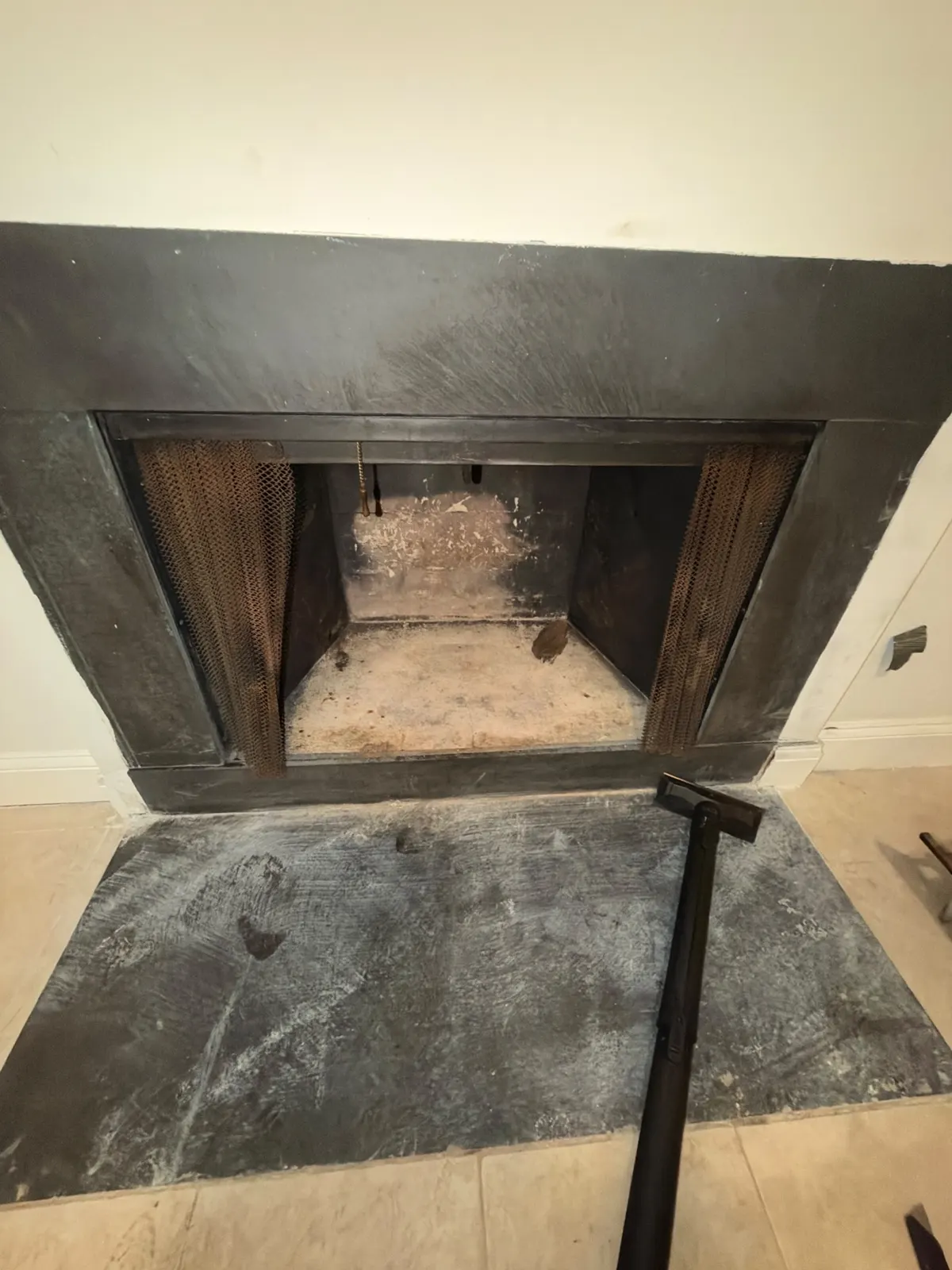
A full sweep of the flue, firebox and smoke chamber — creosote gone, draft restored, and a written condition report before we leave.
Learn more →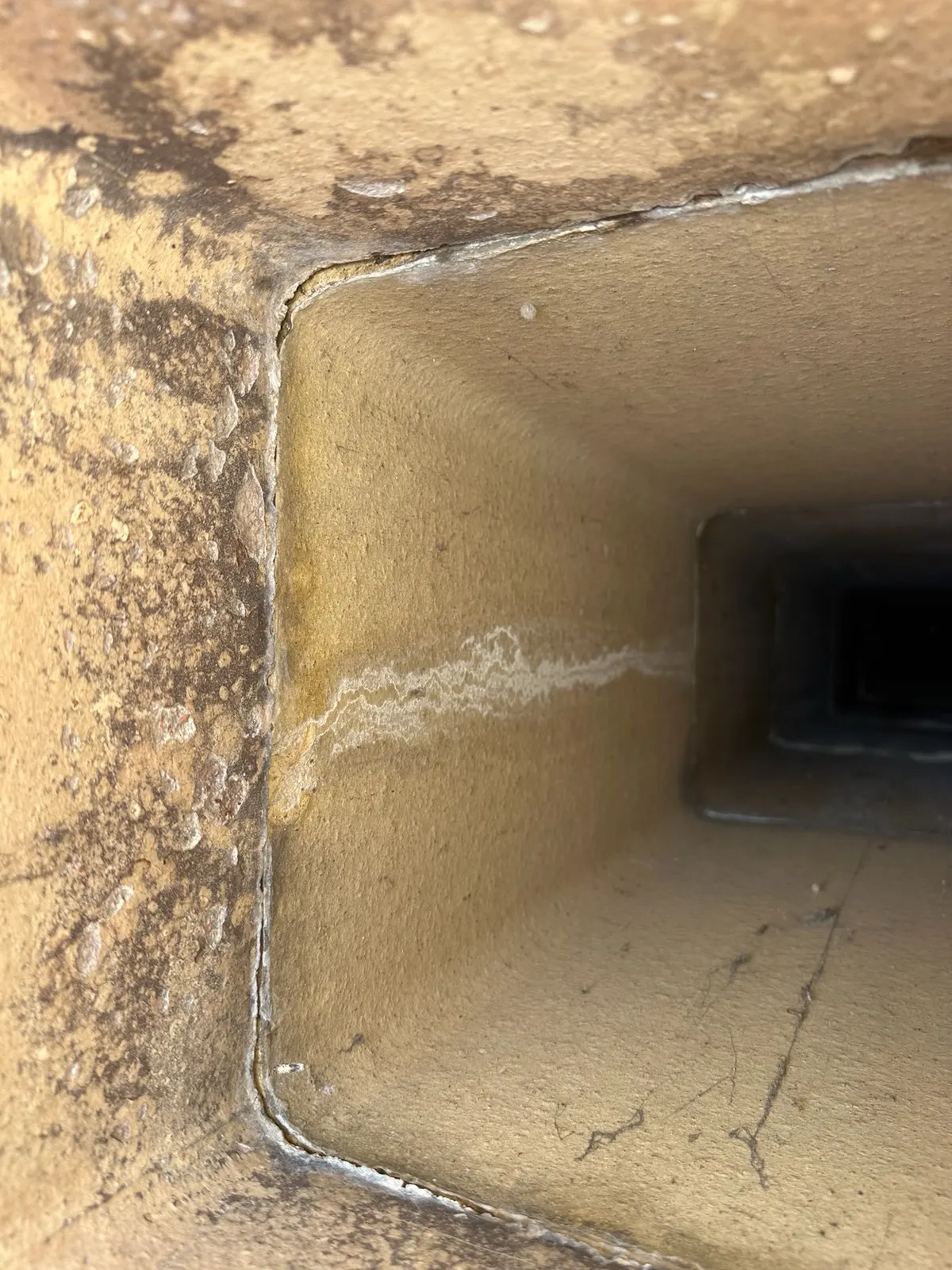
Level 1 and Level 2 chimney inspections with camera scanning, a photo report and straight answers — for annual checks, home sales and after a chimney fire.
Learn more →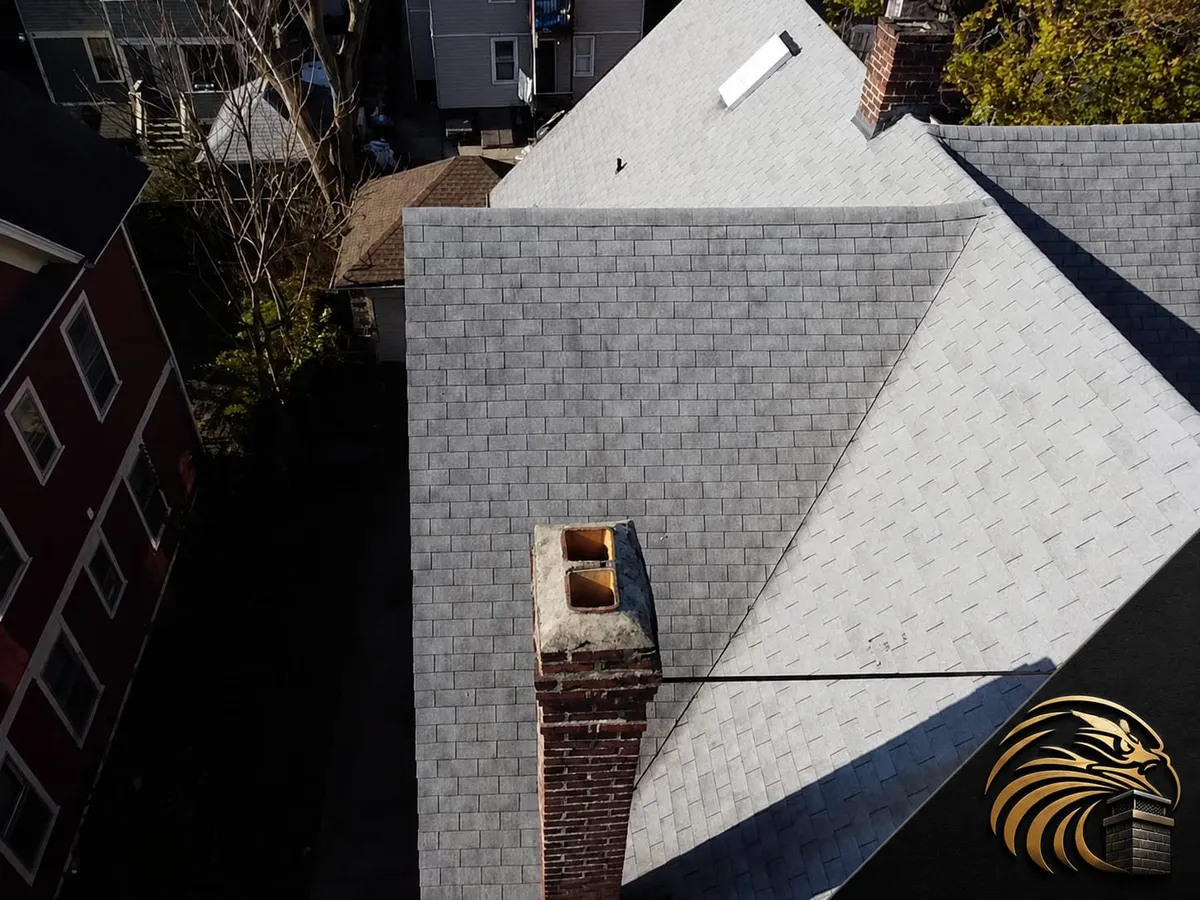
The annual inspection for chimneys in regular service: every accessible part checked, condition documented, safety confirmed for another season.
Learn more →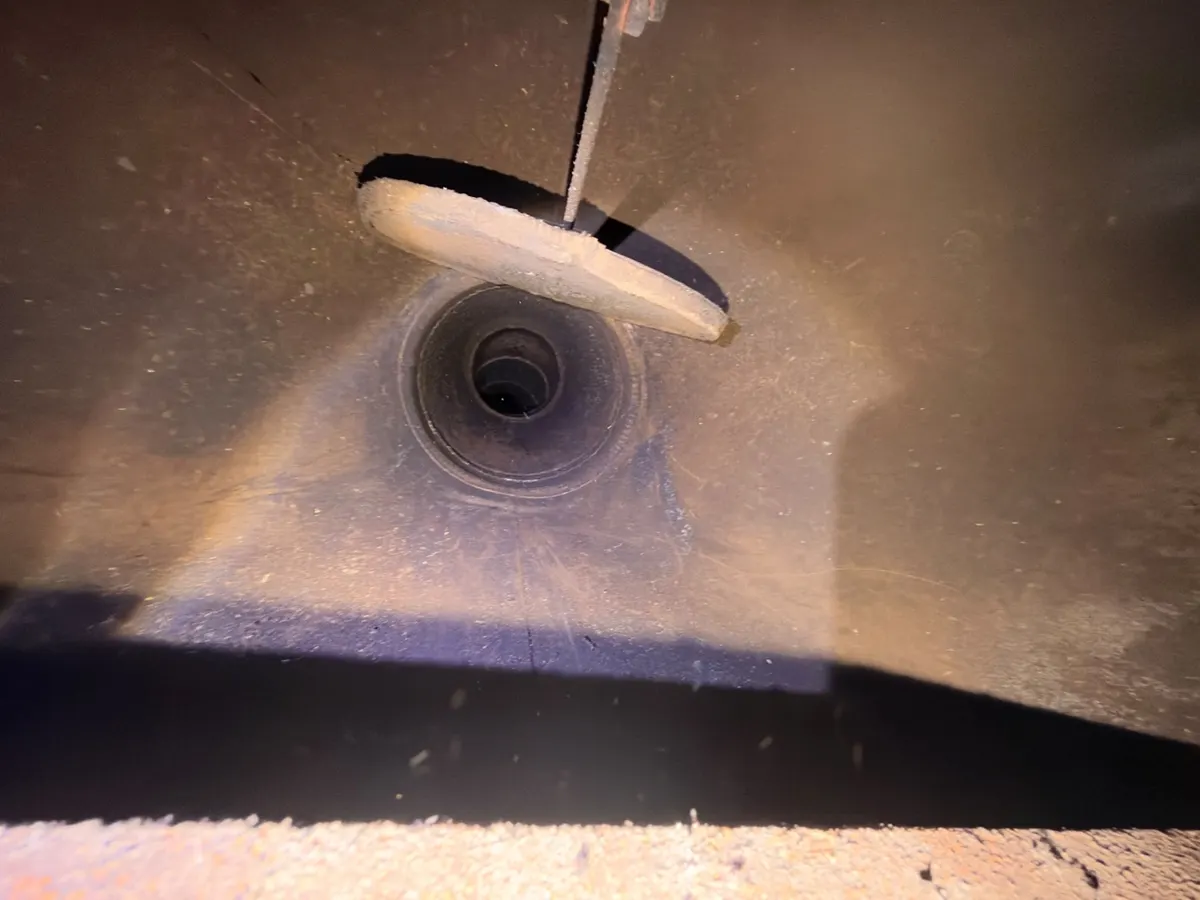
Camera inspection of the entire flue, plus attics, crawl spaces and concealed areas — the inspection for home sales, chimney fires and appliance changes.
Learn more →