
Buying a Home in the Myrtle Beach Area? Put the Chimney on Your Inspection List
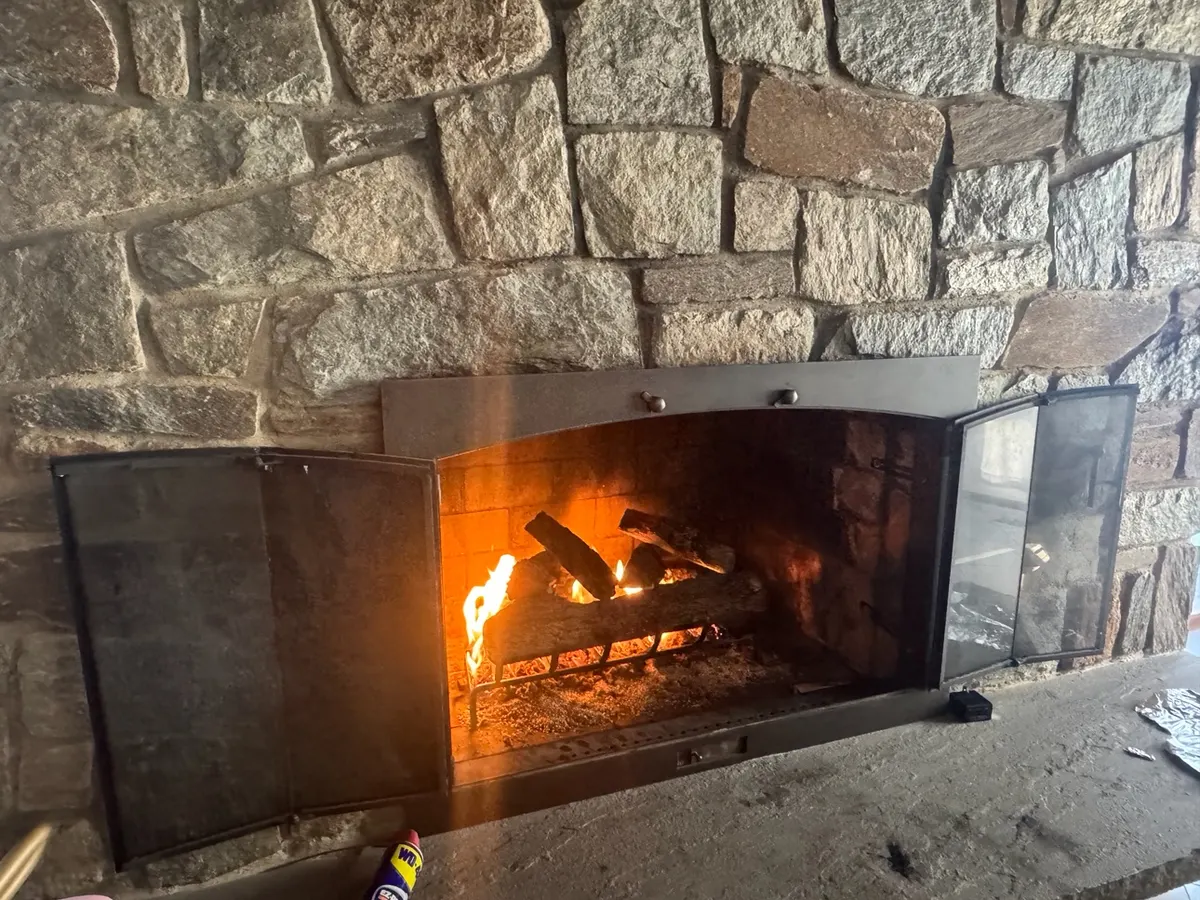
The fireplace is part of why you bought the house — cool evenings, guests gathered around it, the rental listing photo. It is also the one system your general home inspection barely touches. A home inspector looks at the chimney from the ground and the firebox, notes "recommend further evaluation" when anything looks off, and moves on. What is inside the flue — the part that decides whether the fireplace is safe to use — stays unknown unless a chimney specialist puts a camera in it.
Why coastal homes hide chimney history
Grand Strand homes change hands often, sit vacant between owners, and spend years as rentals with no service records at all. The chimney in a 1985 beach house may not have been swept in a decade. The gas fireplace in a condo may have a pilot held together by habit. Salt air has been working on every cap and damper the whole time. None of that is a reason not to buy — it is a reason to know. A Level 2 inspection replaces the missing history with evidence: a camera run the full height of the flue, photos of every defect, and a written report that says plainly whether the chimney is safe to use, usable with monitoring, or in need of repair first.
What the camera usually finds
In homes with no service record, the common findings are cracked clay flue tiles, mortar washed out of the liner joints, caps rusted through or missing entirely, crowns cracked and channeling water into the stack, and creosote levels that say the last sweep was a long time ago. Most of it is repairable, and some of it is exactly the kind of finding that belongs in a negotiation — priced in writing, attached to the report, so buyer and seller are arguing from facts. Occasionally the camera finds the other kind: a flue damaged enough that the fireplace stays cold until it is relined. That is the finding you want before closing, not during your first fire.
How to work it into the purchase
Ask your agent to schedule the Level 2 camera inspection inside your inspection window — we work with buyers and agents across Horry and Georgetown counties and turn reports around fast enough for closing timelines. If you have already closed, book the inspection before the first fire instead; our chimney inspection page explains both levels, and the sweep and inspection special pairs the first sweep with the check in one visit.
A fireplace should be the pleasure it looked like in the listing. One camera inspection is how you make sure of it — before the movers come, or at least before the first fire. Eagle Chimney Services inspects chimneys for buyers from Little River to Georgetown: call (843) 427-3756 and get yours on the schedule.
Questions Homeowners Ask About This
Does a regular home inspection cover the chimney?
Only the visible parts. A home inspector looks at the chimney from the ground and the firebox and notes "recommend further evaluation" when anything looks off. The inside of the flue — the part that decides whether the fireplace is safe to use — needs a chimney specialist with a camera.
What happens if the camera inspection finds damage?
You get dated photos and a written report with the repair scoped and priced. Inside a purchase, that evidence goes to the negotiation — buyer and seller argue from facts instead of suspicions. After closing, the same report becomes your repair plan, in priority order.
I already closed on the house — is it too late?
Not at all. Book the Level 2 inspection before the first fire instead. Most findings in homes with no service record are repairable maintenance items; the inspection simply replaces the missing history with evidence.
Need a Hand With Your Chimney?
Call (843) 427-3756 — phones answered 24/7, service Sunday through Friday across 14 Grand Strand communities.